
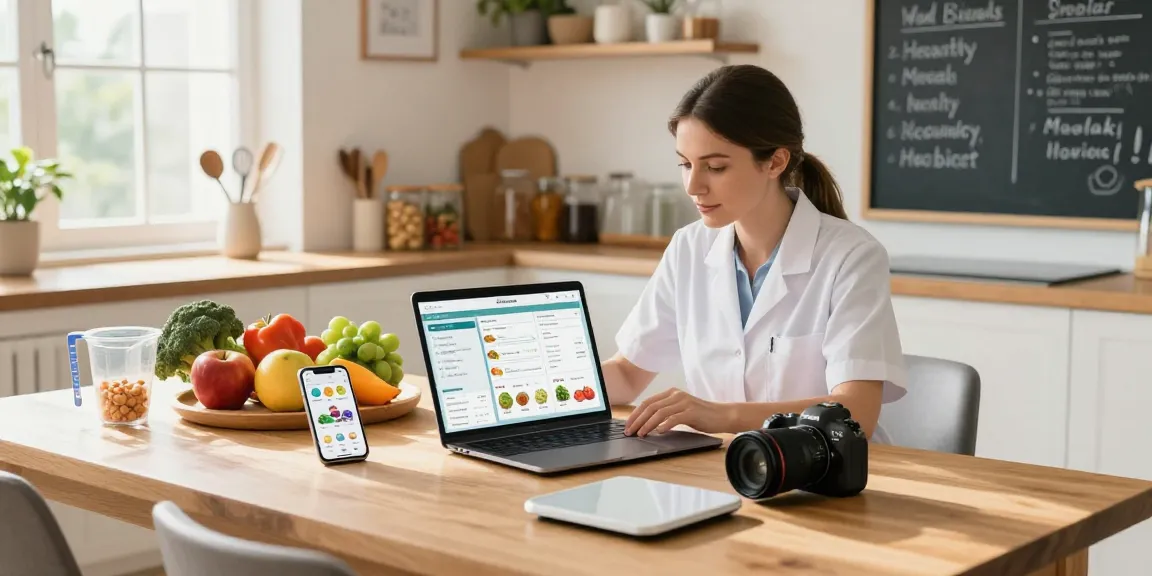
Understanding Food Tracking Apps
In today’s health-conscious society, food tracking apps have emerged as essential tools for individuals aiming to improve their dietary habits and achieve specific nutritional goals. These applications enable users to monitor their food intake, analyze nutrient consumption, and track progress over time. Understanding how these apps function and what features they offer can significantly enhance your journey toward healthier eating.
What is a Food Tracking App and How Does It Work?
Food tracking apps are digital platforms designed to help users log their meals, track calories, and analyze their nutritional intake. By inputting what they eat, users can receive immediate feedback regarding their dietary habits. Most apps utilize extensive food databases, allowing users to search for common foods, scan barcodes, or even log meals using photos. With each entry, the app calculates total calorie intake and provides insights into macronutrients like proteins, fats, and carbohydrates, as well as micronutrients such as vitamins and minerals.
Key Features of the Best Food Tracking Apps
- Food Database: A comprehensive database is vital for accurate tracking; verified entries ensure that users get the right nutritional information.
- Ease of Use: User-friendly interfaces facilitate daily logging, making the process less of a chore and more of a habit.
- Nutritional Coaching: Some apps offer personalized coaching based on user inputs and goals, providing tailored advice.
- Progress Tracking: Visual representations of progress help keep users motivated and accountable.
- Integration with Other Devices: Connectivity with fitness trackers and smart devices can enhance the tracking experience.
Benefits of Using a Food Tracking App for Health
Utilizing a food tracking app can offer numerous advantages, such as promoting a greater awareness of food choices, helping to maintain a balanced diet, and supporting weight loss or muscle gain goals. By tracking meals, users can identify patterns in their eating habits, which can be crucial for making informed decisions. Moreover, these apps can serve as accountability partners, encouraging users to stick to their dietary plans.
Top Food Tracking Apps of 2026
This year, several food tracking apps have stood out in independent testing, providing unique benefits tailored to various user needs. We have meticulously evaluated each app based on an extensive 200-point rubric, ensuring a fair comparison across multiple criteria. If you’re looking for the best food tracking app for your lifestyle, you’ll find comprehensive insights in our rankings.
Detailed Reviews of the Best Food Tracking Apps
- Welling: An AI-driven app that uses photos and chat to log meals, providing personalized nutrition coaching based on individual preferences.
- Cronometer: Focuses on micronutrient tracking with an extensive database, ideal for users keen on nutritional quality.
- MacroFactor: Adjusts recommendations based on real-world energy expenditure, making it suitable for those focused on body composition.
- YAZIO: Offers meal planning and a diverse recipe library, catering to both ketogenic and balanced diet enthusiasts.
- Lifesum: Combines meal tracking with a sleek design and user-friendly interface, promoting engagement through gamification.
- Carb Manager: Targets low-carb and ketogenic dieters with tailored macros and a wealth of keto recipes.
Comparative Analysis of App Features and Usability
Each app excels in different areas, ensuring that there is no one-size-fits-all solution. For instance, while Welling offers innovative AI features, Cronometer is unmatched in nutrient tracking. Lifesum impresses with an engaging design, making it easier to stay motivated. In contrast, apps like Carb Manager cater specifically to niche diets, providing tools and resources that align with specific dietary restrictions.
User Ratings and Feedback for Each App
User feedback is invaluable when evaluating food tracking apps. High ratings typically correlate with usability and satisfaction, indicating that the app meets user needs effectively. Many users appreciate functionality that allows for easy logging, quick access to nutritional information, and responsive customer support. Always check recent reviews to get a sense of ongoing app performance and user experience.
Choosing the Right Food Tracking App for Your Needs
Selecting the ideal app requires introspection regarding your specific nutritional goals and dietary preferences. Understanding your motivations for tracking can help narrow down options significantly.
Are You Tracking for Weight Loss or Muscle Gain?
Your primary goal will influence which app is best suited for you. If you aim for weight loss, apps that emphasize calorie tracking and provide feedback on meals might be more beneficial. Conversely, if muscle gain is your focus, look for apps that emphasize protein intake and offer strength-training nutrition advice.
Understanding Your Nutritional Goals: Macros vs. Micros
Identifying whether you want to prioritize macronutrients (proteins, fats, carbohydrates) or micronutrients (vitamins and minerals) is crucial. Some apps offer detailed analysis of both, while others may focus primarily on calorie counting or macronutrient tracking. This distinction can dramatically affect your choice.
Questions to Ask Before Selecting a Food Tracking App
- What are my primary health goals?
- How much time am I willing to invest in logging my meals?
- Do I need a specialized diet plan, such as vegan, keto, or gluten-free?
- Is user interface and design important to me?
- What level of detail do I want in nutrition tracking?
- How important is integration with other health apps or devices?
- Do I prefer community support features, such as forums or group challenges?
Challenges in Food Tracking and How to Overcome Them
While food tracking can be immensely beneficial, users often encounter various challenges that can hinder their progress. Awareness and strategies to overcome these hurdles are critical for success.
Common User Mistakes and Misconceptions
One prevalent mistake is underestimating portion sizes. Many users inaccurately assess how much they are eating, leading to misguided caloric tracking. Additionally, some believe that simply logging food is sufficient, neglecting the importance of making healthy choices.
Addressing Accuracy and Database Quality Concerns
Database quality is paramount when it comes to food tracking accuracy. Not all tracking apps have the same level of verification for their food entries. Users should prioritize applications that source their data from reputable databases and provide transparency on how entries are vetted.
Maximizing the Efficiency of Your Food Tracking Routine
To maximize the benefits of food tracking, consider setting aside specific times for logging meals, keeping a consistent routine. Using apps that allow for quick entries, such as barcode scanning or meal logging via photos, can significantly reduce the time spent on tracking.
The Future of Food Tracking Apps: Trends to Watch in 2026
The landscape of food tracking apps is rapidly evolving, with emerging technologies set to revolutionize how users interact with these platforms.
Emerging Technologies in Food Tracking
Advancements in artificial intelligence and machine learning are paving the way for more personalized nutrition experiences. Future apps may utilize predictive algorithms to tailor dietary recommendations based on user habits and preferences. Additionally, the integration of augmented reality could enhance meal logging by allowing users to visualize portion sizes more accurately.
Integrating AI and Machine Learning for Personalized Nutrition
AI can analyze an individual’s eating patterns over time and suggest realistic, tailored dietary improvements. This personalized approach can make food tracking feel less daunting and more aligned with individual health goals.
Predictions: What Will 2026 Hold for Food Tracking?
As technology advances, we can anticipate a wave of innovative features in food tracking apps. From improved food recognition capabilities to advanced nutritional coaching, the tools at our disposal will become increasingly sophisticated and user-friendly.
How Can Food Tracking Apps Facilitate Better Dietary Choices?
By providing users with immediate feedback and actionable insights, food tracking apps can empower individuals to make better dietary choices. Regular tracking fosters a deeper understanding of nutrition and encourages a more balanced approach to eating.