
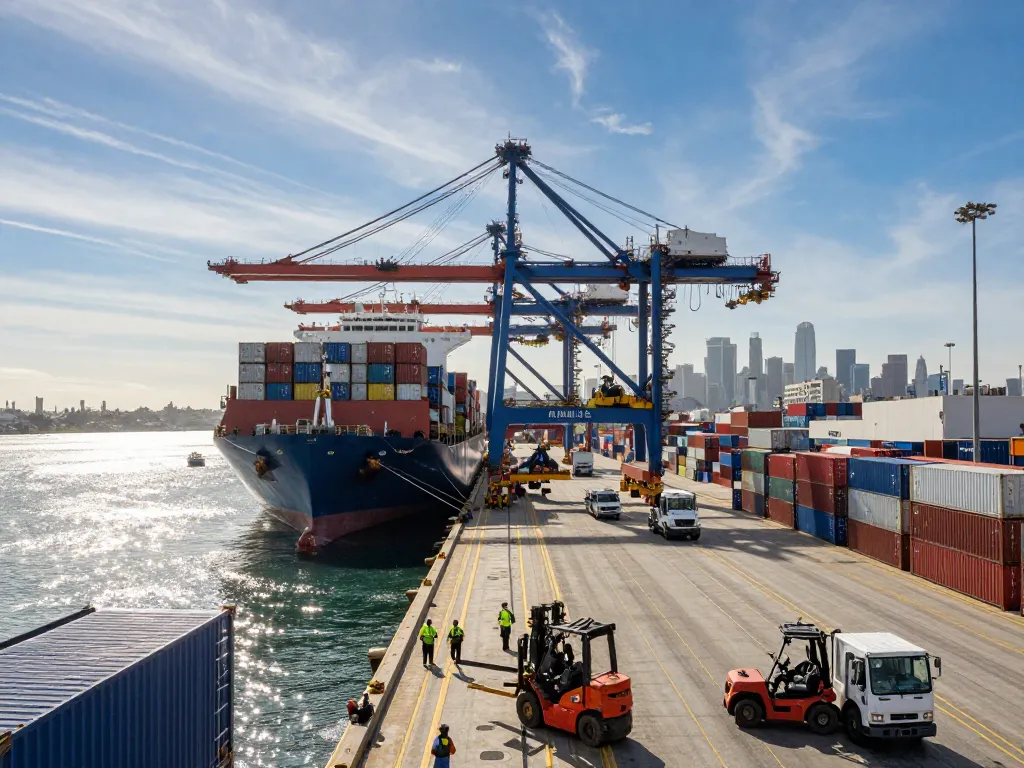
Overview of US Ports
As critical hubs for commerce, US ports serve as gateways for international trade, facilitating the movement of goods across the globe. They play a vital role in the United States economy, supporting various industries and creating jobs. Understanding the intricate web of operations and the significance of US ports is essential for stakeholders in logistics, trade, and policy-making. When exploring options, US port facilities are instrumental in enhancing supply chain efficiency and ensuring seamless transportation.
Importance of US ports in global trade
US ports are not merely locations where ships dock; they are vital arteries of global trade. Handling a variety of cargo, including containerized goods, bulk materials, and liquid commodities, these ports enable the US to import and export vast quantities of goods. In 2026, it is projected that the Port of Los Angeles, the busiest port in the United States, will continue to handle millions of containers annually, underscoring its role as a major player in international shipping. Additionally, ports facilitate trade agreements with nations across the globe, impacting economic relationships and influencing pricing strategies.
Main types of US ports and their functions
The US hosts several types of ports, each serving a unique function. Primarily, they can be categorized into:
- Container Ports: Focused on cargo containers, these ports streamline the loading and unloading process. The Port of Long Beach is an exemplary container port.
- Bulk Ports: Handling bulk materials like coal, grain, and chemicals. The Port of New Orleans is a notable example due to its bulk capabilities.
- Breakbulk Ports: Specialize in non-containerized cargo, such as heavy machinery and vehicles, requiring a different unloading approach.
- Ro-Ro (Roll-on/Roll-off) Ports: These are specialized for vehicles, allowing them to drive on and off the ships easily.
Geographical distribution of significant US ports
The geographical location of US ports plays a crucial role in their operation and connectivity. Major coastal ports are strategically positioned along the Atlantic, Pacific, and Gulf coasts, optimizing access to international shipping routes. For example:
- East Coast: The Port of New York and New Jersey serves as a critical gateway for imports from Europe and Asia.
- West Coast: Ports like Seattle and San Francisco are instrumental for trade with Asian markets.
- Gulf Coast: The Port of Houston stands out as a hub for energy-related goods and commodities.
Port Infrastructure and Technology
Current state of US port facilities
The state of port infrastructure in the US is pivotal for maintaining competitiveness in the global market. As of 2026, many ports are undergoing significant upgrades to accommodate larger vessels and increased cargo traffic. This includes expanding terminal areas, improving transportation links, and incorporating more advanced handling systems. Investments in infrastructure are aimed at reducing turnaround times, which have become essential as shipping demands grow.
Technological advancements enhancing port efficiency
Technological innovation is transforming operations at US ports. Key advancements include:
- Automation: Many ports are incorporating automated cranes and trucks, reducing the labor intensity of loading and unloading operations.
- Blockchain Technology: This is being utilized for greater transparency in supply chains, helping to track cargo efficiently and securely.
- Internet of Things (IoT): Sensors and connected devices provide real-time data on cargo conditions, improving overall supply chain visibility.
Environmental considerations and sustainability in port operations
With increasing concerns about climate change, US ports are implementing sustainable practices to reduce their environmental impact. Initiatives include:
- Green Shipping Technologies: Ports are incentivizing ships that use cleaner fuels and innovative propulsion systems.
- Solar Energy Projects: Some ports are investing in solar panels to power port operations, aiming for energy neutrality.
- Pollution Reduction Strategies: Emission control programs are being developed to mitigate air quality issues around port areas.
Economic Impact of US Ports
How US ports contribute to the economy
The economic significance of US ports cannot be overstated. They directly contribute to the national GDP and support supply chains essential for various industries. In 2026, it is estimated that US ports collectively handle over 66 million TEUs (twenty-foot equivalent units), facilitating trade worth trillions of dollars. Additionally, ports support ancillary businesses, including logistics, transportation, and manufacturing sectors.
Job creation and workforce development in port cities
Ports serve as vital employment centers in their regions, with millions of jobs linked directly and indirectly to their operations. This includes roles such as dockworkers, truck drivers, and logistics coordinators. Moreover, workforce development programs are increasingly critical as ports invest in training initiatives to equip workers with skills necessary for advanced technologies and operations.
Case studies of thriving port regions
Several US port regions exemplify the profound economic impact of port operations:
- Los Angeles: The Port of Los Angeles supports over 1.5 million jobs and generates around $270 billion in economic activity.
- Seattle: Contributing $3.6 billion annually, the Port of Seattle is a leader in maritime trade, tourism, and local business growth.
- Houston: This port is a key player in energy exports, with significant contributions to the region’s economy through its logistics and transportation sectors.
Challenges Facing US Ports in 2026
Logistical hurdles and bottlenecks in port operations
Despite their importance, US ports face several challenges that threaten their operational efficiency. In 2026, logistical bottlenecks are exacerbated by increasing cargo volumes and limited infrastructure capacity. Issues such as congestion at terminals and limited road and rail connectivity contribute to delays, which can impact the supply chain significantly.
Regulatory issues impacting port functionality
Regulatory challenges at the federal and state levels can also hinder port operations. Compliance with environmental regulations and labor laws can create additional burdens for port managers. Understanding and navigating these regulations is crucial for adapting operations to meet new standards while maintaining efficiency.
Security challenges at US ports
Security is a growing concern in the world of maritime trade. US ports must balance efficient operations with robust security measures to prevent threats, including terrorism and smuggling. Enhanced security protocols, collaboration with federal agencies, and investment in surveillance technologies are essential to address these challenges effectively.
The Future of US Ports
Predicted trends and developments for 2026
Looking ahead to 2026, several trends are anticipated to shape the future of US ports:
- Increased Global Trade: With the growth of e-commerce, ports will see more container traffic, necessitating further investments in infrastructure.
- Focus on Digitalization: The integration of digital solutions will enhance operational efficiencies through streamlining processes and real-time data analytics.
- Collaborative Operations: Partnerships between ports and private sectors will become more prominent to optimize supply chain management and enhance service offerings.
Role of automation and AI in modern ports
As automation continues to take precedence in various industries, US ports are not left behind. The adoption of artificial intelligence (AI) will play a critical role in forecasting demand, managing inventory, and optimizing logistics operations. By 2026, AI-driven solutions will likely streamline operations, allowing ports to respond rapidly to the dynamic demands of global trade.
Preparing for climate change impacts on coastal ports
With climate change posing significant threats to coastal areas, US ports must implement strategies to mitigate these risks. Initiatives may include developing resilient infrastructure, enhancing flood defenses, and conducting climate impact assessments to ensure long-term sustainability. Ports will need to adapt and prepare for the potential disruptions that climate factors may bring.