
Glass fibre and polymer resin combine under controlled factory conditions. The outcome is a durable composite for industrial duty. A GRP Manufacturer produces the panels, sections and platforms required on site. Metals frequently degrade under moisture or chemical exposure. This material resists both. Weight remains low for straightforward handling. Strength stays high under continuous loads. Electrical current finds no path through the finished structure. Specifiers select it for combined safety and durability. Process precision determines long-term performance. Engineered Composites operates as a GRP Manufacturer with extensive production history.
Material Preparation and Forming Stages
Glass strands deliver the primary tensile capacity. Resin fills voids and locks the fibres in place. Continuous drawing through a heated die produces accurate profiles. The die fixes exact cross-section dimensions. Larger panels take shape inside open moulds. Fibre mats are placed first. Resin spreads and saturates the layers fully. Heat or time completes the cure cycle. Fibre orientation guides force movement through the part. Resin quantity follows the design calculation. Finished items receive size and strength verification. A disciplined GRP Manufacturer enforces these stages on every production run.
Response to Harsh Operating Conditions
Outer surfaces remain free of rust in marine air. Chemical exposure produces only limited surface change. Weight measures approximately one quarter of comparable steel. Site teams position sections without major lifting equipment. Impact forces create temporary flex followed by recovery. Fire-rated grades restrict flame travel in buildings. Weather exposure leaves the exterior stable across long periods. Basic washing preserves the working face. Asset managers note reduced repair frequency. These characteristics lower total ownership cost over the full service life.
Main Areas of Installation
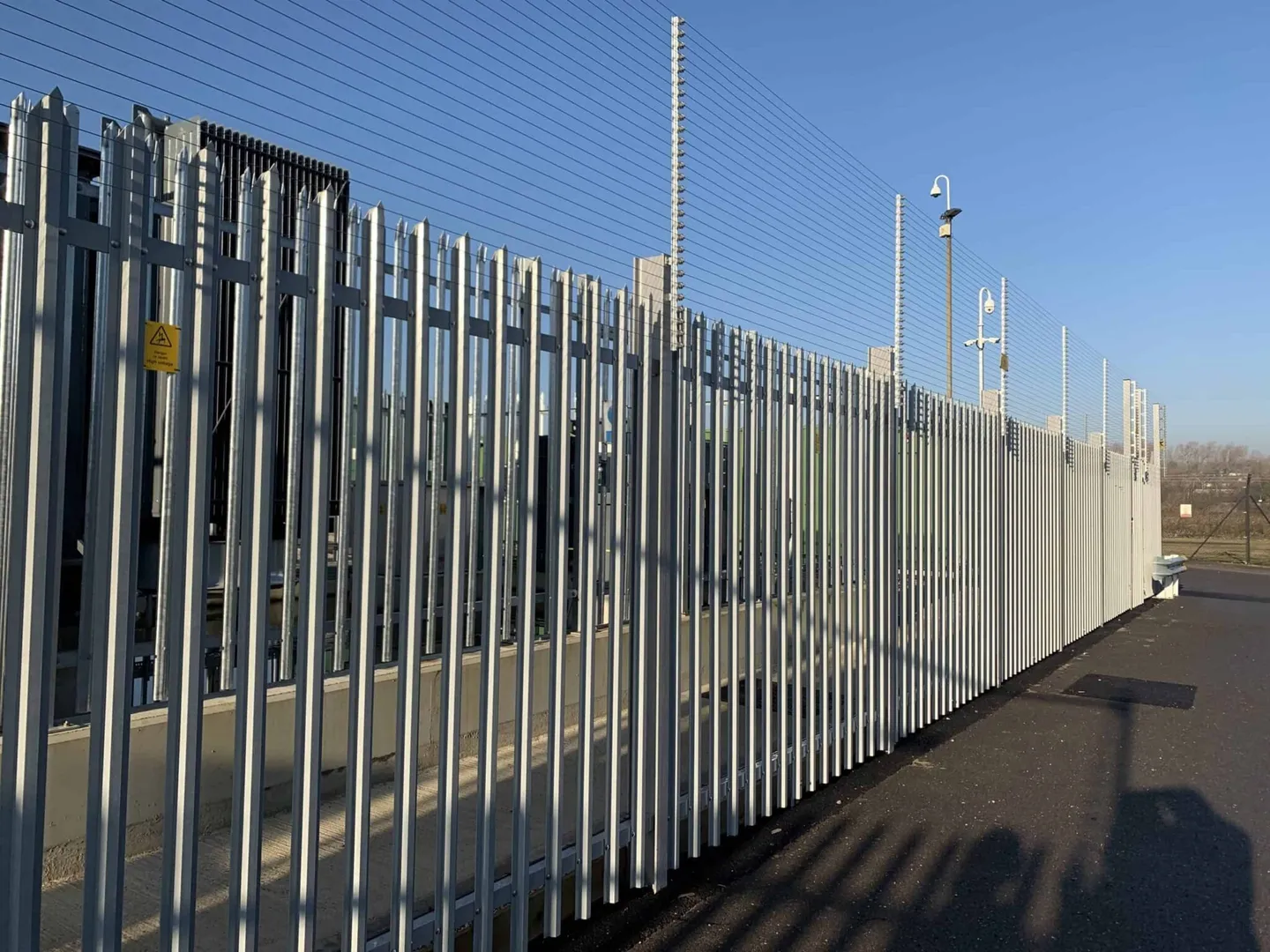
Rail corridors install walkways and edge protection systems. Power compounds fit fencing free of conductivity. Water treatment facilities use platforms that resist chemical contact. Marine locations select decking that withstands salt exposure. Temporary construction relies on frames that relocate without difficulty. Data centres prefer non-metallic cable supports. Security perimeters employ solid panels requiring minimal attention. Each area benefits from extended intervals between maintenance. Engineered Composites functions as GRP Manufacturer across these varied requirements. Non-standard dimensions and finishes are supplied when catalogue sizes prove insufficient.
Approval and Testing Requirements
British standards establish minimum structural strength values. Floor systems must demonstrate grip under wet conditions. Production follows ISO quality frameworks. Rail contracts require RISQS clearance. Defence supply passes through JOSCAR checks. Every batch traces to the precise fibre and resin lots used. Independent laboratories confirm the reported figures. Scheduled audits keep documentation current and accessible. These measures safeguard the end client. A consistent GRP Manufacturer retains complete records for inspection.
Points for Supplier Assessment
Lengthy production experience indicates practical competence. Direct process ownership tightens quality oversight. Extensive stock holdings reduce delivery times. Capacity for non-standard shapes meets complex site conditions. Clear technical notes match grades to load and environment. Valid certificates eliminate design uncertainty. Nationwide delivery operates on predictable schedules. Post-delivery contact resolves installation queries promptly. Engineered Composites satisfies these points as an established GRP Manufacturer. Reliable results generate ongoing orders.
Financial Impact Across Service Years
Initial cost frequently aligns with coated steel prices. Site labour reduces due to lower weight. Crane hire becomes uncommon. Painting and corrosion repairs leave annual budgets. Service life regularly exceeds fifty years. Transport fuel consumption falls with lighter loads. Unplanned interventions grow infrequent. Overall expenditure declines by a substantial margin across the full period. Coastal and process plant managers register the clearest benefit. A practical GRP Manufacturer supports the calculations with evidence from completed contracts.
Environmental and Efficiency Gains
Reduced freight weight cuts fuel burned during transport. Extended service life lowers demand for replacement materials. No surface coatings enter soil or water systems. Recovery options for end-of-life parts continue to develop. Complete carbon comparisons often favour the composite. Continuous production lines keep energy demand efficient. Off-cuts receive organised sorting and disposal. Clients achieve environmental targets with reduced additional measures. Engineered Composites incorporates these practices into regular operations. Future compliance frameworks will recognise materials that already deliver this performance.
Final Thoughts
Selection of a GRP Manufacturer influences outcomes across decades of service. Fibre arrangement and resin chemistry determine true capacity. Certificates limit future risk exposure. Lifetime cost analysis reveals the genuine economic benefit. Locations subject to corrosion or electrical hazard receive the strongest advantage. Accurate guidance at the design stage prevents unsuitable selections. Continuous production discipline sustains quality levels. Demand for durable low-maintenance components continues to increase. A proven GRP Manufacturer delivers parts that protect both safety standards and financial plans. Engineered Composites maintains that objective at the centre of every supply.
FAQs
What characterises a capable GRP Manufacturer?
Direct manufacture under certified systems and relevant sector approvals forms the core. Complete tracking of materials provides clear quality evidence. Practical guidance on grades and site fitting completes the provision.
In what ways does GRP exceed steel in demanding environments?
The composite resists rust and chemical attack while remaining significantly lighter. No current conducts through the material. Maintenance requirements stay low throughout extended service periods.
Which sectors generate the strongest demand for a GRP Manufacturer?
Rail, power, water treatment, marine and construction create the main volume. Chemical and coastal operations avoid the repeated failures associated with metal. Secure and data environments also specify the material for safety reasons.