Understanding Vinyl Plank Flooring
What is Vinyl Plank Flooring?
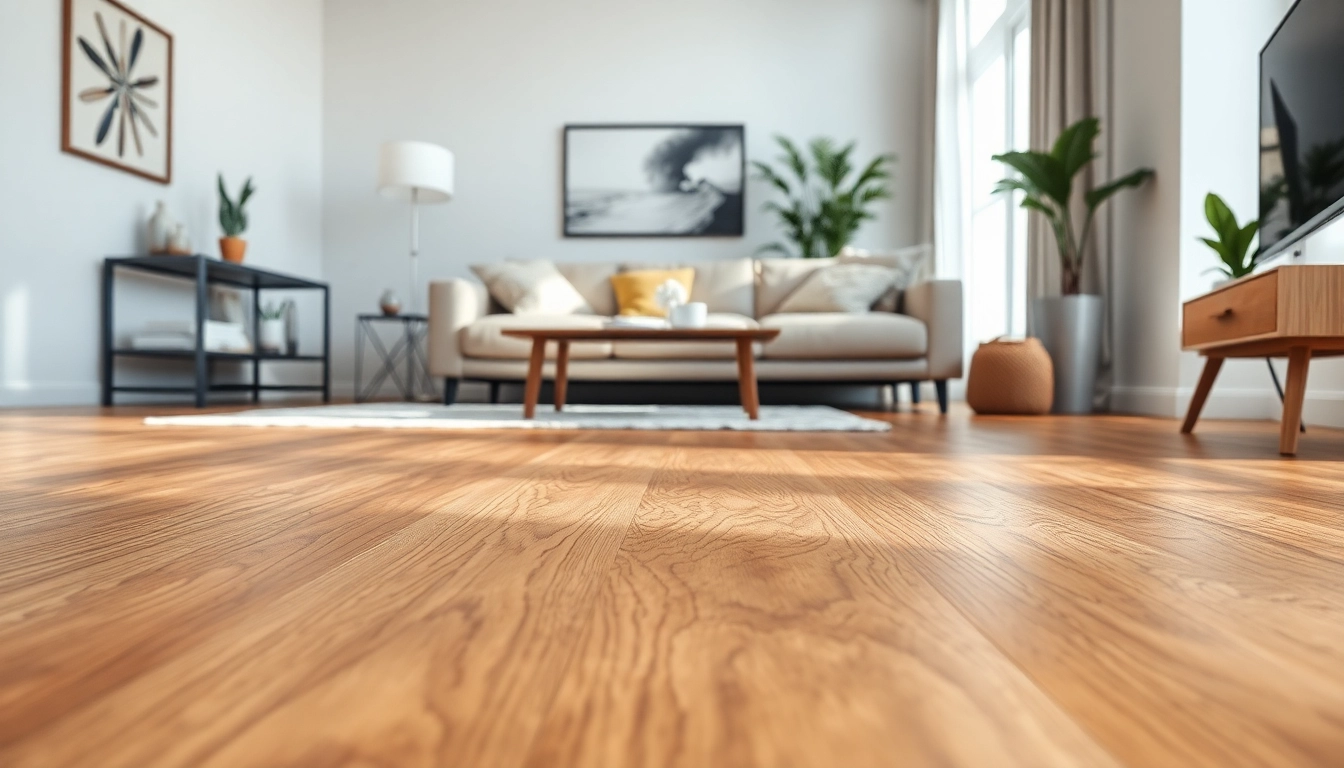
Vinyl plank flooring is a highly versatile and durable flooring solution that mimics the appearance of natural wood or stone. It is made from PVC (polyvinyl chloride) and is known for its water resistance, ease of maintenance, and affordability. Comprising multiple layers, this flooring is designed for residential and commercial spaces, making it a popular choice among homeowners and builders alike. Notably, vinyl plank flooring comes in various styles, colors, and textures, providing endless design possibilities.
Benefits of Vinyl Plank Flooring
Vinyl plank flooring boasts numerous advantages, making it an attractive option for many spaces:
- Durability: With a protective wear layer, vinyl plank flooring can withstand heavy foot traffic, making it ideal for busy households.
- Water Resistance: Vinyl is inherently resistant to moisture, making it an excellent choice for bathrooms, kitchens, and basements.
- Easy Installation: Many vinyl planks feature a click-lock installation system that doesn’t require glue or nails, allowing for a DIY approach.
- Comfort and Warmth: The soft surface of vinyl plank flooring offers comfort underfoot and retains warmth, particularly beneficial in colder climates.
- Cost-Effectiveness: Generally more affordable than hardwood and tile options, vinyl plank flooring provides a premium look without the premium price.
Types of Vinyl Plank Flooring
There are several types of vinyl plank flooring to consider:
- Luxury Vinyl Plank (LVP): High-quality and designed to resemble hardwood closely. It often comes with advanced features like enhanced textures and visual variations.
- Standard Vinyl Plank: More affordable and still durable, but may have fewer style options compared to LVP.
- Click-Style Vinyl Plank: Features a click-lock installation system for an easy, no-glue process. Suitable for DIY projects.
- Glue-Down Vinyl Plank: Offers a more permanent installation method using adhesive, providing excellent stability.
How to Select Vinyl Plank Flooring
Assessing Your Space
Before diving into your vinyl plank flooring selection, dedicated assessment of your space is crucial:
- Consider the purpose of the room, the foot traffic levels, and whether moisture is a concern. For instance, moist environments like bathrooms or kitchens require higher-grade water resistance.
- Evaluate the existing decor and architecture of your home, as this can help you choose colors and styles that complement your living space.
- Think about your long-term needs; if you plan on staying in your current home for years, it’s worth investing in a high-quality option.
Choosing the Right Style and Color
Choosing the right style and color of vinyl plank flooring can significantly impact the aesthetics of your space. Here are a few tips:
- Utilize samples to see how different colors and styles look in your actual space before making a decision. Natural light can alter how colors appear.
- Keep in mind the overall theme of your home. Light-colored planks can expand spaces, while darker tones add warmth and sophistication.
- Explore diverse textures that replicate natural wood finishes or larger-scale designs mimicking stone or tile.
Measuring Your Area Accurately
Accurate measurements are essential for efficient and waste-free installation. Follow these steps:
- Measure the length and width of each room in feet. Multiply these figures to obtain square footage.
- Add at least 10% to your total to account for wasted cuts and future repairs.
- Document your measurements clearly to avoid confusion at the time of purchasing your vinyl planks.
Installation Techniques for Vinyl Plank Flooring
DIY vs. Professional Installation
A significant factor in the decision-making process for vinyl plank flooring is whether to install it yourself or hire a professional. Here are considerations for both:
- DIY Installation: Perfect for handy homeowners looking to save costs. Most click-style vinyl planks are designed for easy installation; however, it may require tools and attention to detail.
- Professional Installation: If you require a high-end finish or have an irregularly shaped space, hiring a professional could be worthwhile. This option provides peace of mind, ensuring the job is done correctly.
Step-by-Step Installation Guide
If you decide to opt for a DIY installation, follow these steps for a successful process:
- Prepare the Subfloor: Ensure the subfloor is clean, dry, and level. Check for any protruding nails or rough patches.
- Acclimate the Planks: Allow your vinyl planks to acclimate by letting them sit in the room for at least 48 hours. This helps prevent expansion or contraction post-installation.
- Plan Your Layout: Decide on your plank layout before you start. A staggered pattern enhances visual appeal.
- Cut the Planks: Use a utility knife or a vinyl cutter for precise cuts. Follow your measurements closely.
- Begin Installation: Start from the left corner of the room, placing the first plank against the wall. Repeat the process, snapping planks together as you work.
- Complete the Installation: Continue until the room is entirely covered, leaving expansion gaps along the edges to accommodate the floor’s natural movement.
Common Installation Mistakes to Avoid
To ensure a seamless vinyl plank flooring installation, steer clear of these common mistakes:
- Not allowing planks to acclimate, which can lead to warping or buckling later.
- Neglecting to prepare the subfloor adequately, leading to an uneven surface and potentially damaging the flooring.
- Improper measurements resulting in waste or the need to purchase additional planks.
- Choosing the incorrect adhesive for glue-down types, which can impede installation and lead to issues like bubbling.
Maintaining Vinyl Plank Flooring
Daily Cleaning Tips
To keep your vinyl plank flooring looking its best, implement these daily cleaning practices:
- Use a broom or vacuum to remove dust and debris. Avoid vacuums with beater bars as they can scratch the surface.
- For deeper cleaning, use a damp mop with a pH-neutral cleaner. Avoid harsh chemicals as they may damage the finish.
- Implement a no-shoes policy to prevent dirt and grime from entering your home.
Long-Term Care Practices
Beyond daily cleaning, comprehensive long-term care can extend the life of your vinyl plank flooring:
- Place mats at entryways to trap dirt and moisture before they reach your floor.
- Use furniture pads to minimize scratches from heavy pieces. Regularly reposition furniture to prevent wear in specific areas.
- Perform periodic deep cleaning using specialized vinyl floor cleaning solutions to restore shine.
Repairing Damaged Planks
Damaged vinyl planks can often be repaired or replaced without extensive effort:
- For minor scratches, use a vinyl repair kit available at home improvement stores.
- If an entire plank is damaged, remove the affected plank using a utility knife and replace it with a new one, ensuring the new plank matches the existing ones.
- Consider hiring a professional if multiple planks require replacement to ensure a flawless finish.
FAQs About Vinyl Plank Flooring
How durable is vinyl plank flooring?
Vinyl plank flooring is highly durable, resistant to scratches and stains, making it suitable for high-traffic areas. Quality products can last over 20 years with proper care.
Can vinyl plank flooring be installed over existing floors?
Yes, vinyl plank flooring can often be installed over existing floors, like tile or linoleum, provided the surface is smooth, clean, and level. Adhesive plank types might require a new underlayment.
Is vinyl plank flooring waterproof?
Yes, most vinyl plank flooring is water-resistant and suitable for wet areas such as bathrooms and kitchens. Some products are specifically designed to be 100% waterproof.
How do I clean vinyl plank flooring properly?
Use a broom or vacuum for regular cleaning, and mop with a damp cloth and a pH-neutral cleaner for deeper cleaning. Avoid steam cleaners and abrasive scrubbers.
What is the lifespan of vinyl plank flooring?
Depending on the quality and installation, vinyl plank flooring typically lasts between 10 to 25 years, with higher-end products offering longer durability.