Introduction to the Everest Base Camp Heli Trek
The Everest Base Camp Heli Trek is an exhilarating journey that combines the scenic beauty of the Himalayas with a unique and adventurous return by helicopter. This trek offers a fantastic fusion of trekking and aerial views, making it one of the most sought-after trekking experiences in Nepal. Unlike the traditional trek which often requires a strenuous descent back to Lukla, the heli trek allows adventurers to enjoy the breathtaking landscapes of the region without the lengthy return hike. For anyone looking to experience the thrill of trekking to the base of the world’s highest peak while minimizing the physical toll of the descent, the Everest Base Camp Heli Trek is an ideal choice.
What is the Everest Base Camp Heli Trek?
The Everest Base Camp Heli Trek is a carefully crafted itinerary that allows trekkers to experience the iconic route to Everest Base Camp (EBC) followed by a helicopter flight back, usually to Kathmandu or Lukla. This trek is designed for those who wish to maximize their time in the region without enduring the exhausting round trip on foot. The adventure typically starts with a flight from Kathmandu to Lukla, followed by trekking through beautiful Sherpa villages, lush valleys, and the stunning Khumbu region, culminating at the base camp of Mount Everest.
Key Highlights and Unique Experiences
- Scenic Beauty: Experience the majestic views of some of the highest peaks in the world, including Lhotse, Nuptse, and of course, Mount Everest itself.
- Cultural Encounters: Engage with the local Sherpa community, learn about their traditions, and experience their hospitality.
- Acclimatization Stops: Adequate acclimatization days are included in the itinerary to help trekkers adjust to the altitude.
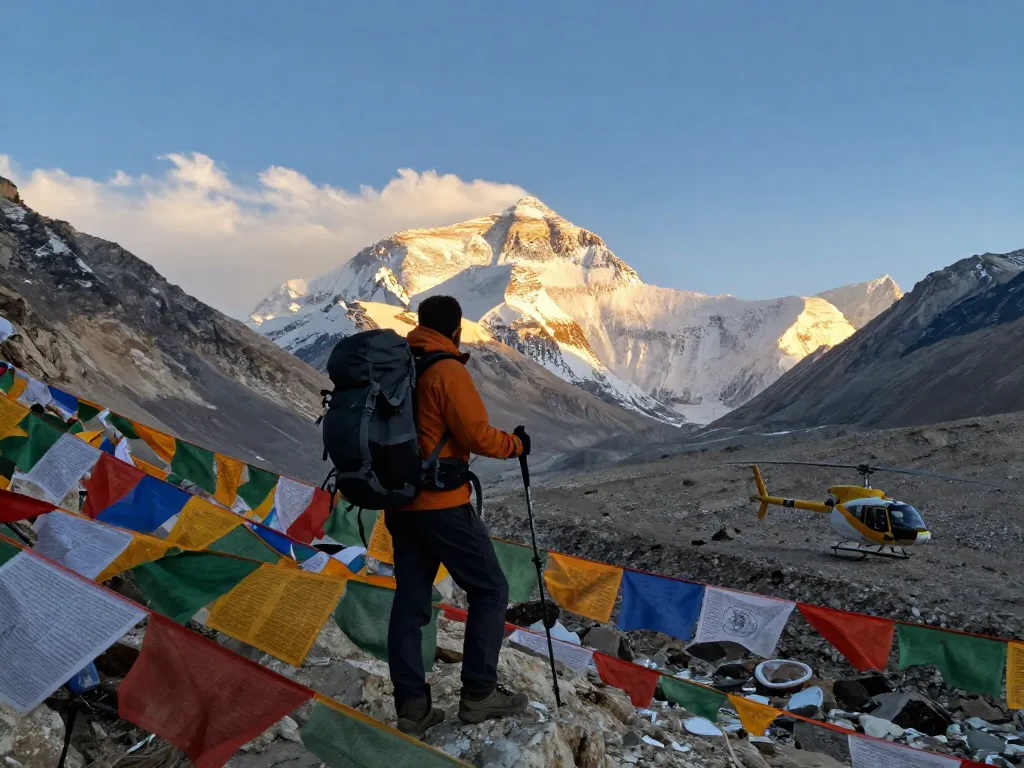
- Helicopter Ride: Experience the thrill of flying over the Himalayas with panoramic views that are simply unforgettable.
Importance of Acclimatization Before Trekking
Acclimatization is a critical aspect of high-altitude trekking. As trekkers ascend to Everest Base Camp, they will encounter significant altitude changes that can lead to Acute Mountain Sickness (AMS) if proper acclimatization is not observed. Trekking companies usually incorporate acclimatization days in their itineraries, where trekkers can hike to higher altitudes and return to sleep at lower elevations. This gradual adjustment helps in minimizing altitude-related risks, ensuring a safer and more enjoyable trek.
Planning Your Everest Base Camp Heli Trek
Choosing the Right Trekking Company
Selecting a reputable trekking company is essential for a successful Nepal adventure. Look for companies that are well-established, with positive reviews and a good safety record. A reliable trekking company should provide experienced guides, quality equipment, and comprehensive support, including emergency services. Additionally, ensure they are compliant with local regulations and have proper insurance protections in place.
Understanding the Itinerary and Duration
The typical duration for the Everest Base Camp Heli Trek is around 10 to 14 days, depending on the specific itinerary and acclimatization requirements. Most itineraries will include several days of trekking to EBC, followed by a helicopter flight back to civilization. It’s crucial to understand each day’s activities, rest days, and the total elevation gain to prepare mentally and physically for the trek.
Budgeting for Your Adventure
Budgeting for the Everest Base Camp Heli Trek involves more than just the cost of the trek itself. Consider additional expenses such as flights to and from Nepal, travel insurance, gear purchases or rentals, meals not included in the trek, and tips for guides and porters. The cost of the trek can vary widely based on luxury levels, hospitality, and seasonal fluctuations, so planning ahead is essential.
Essential Preparations for the Trek
Fitness Requirements and Training Tips
While the Everest Base Camp Heli Trek is accessible to many, a basic level of fitness is necessary. Trekkers should engage in cardiovascular exercises such as hiking, running, cycling, or swimming in the months leading up to the trek. Strength training, especially for the legs, core, and back, is also beneficial. Aim for at least three to four days a week of training to build the necessary endurance for long days of trekking.
Packing List for the Everest Base Camp Heli Trek
When packing for the trek, it’s important to carry essential gear that ensures comfort and safety. Here is a basic packing list to get you started:
- Clothing: Waterproof and windproof jacket, thermal layers, trekking pants, gloves, and a hat.
- Footwear: Sturdy trekking boots; consider bringing camp shoes too.
- Sleeping Gear: Sleeping bag rated for cold temperatures and a sleeping pad.
- Health and Safety: First aid kit, personal medications, water purification tablets.
- Extras: Trekking poles, camera, snacks, and a good quality backpack.
Health Precautions and Travel Insurance
Before embarking on the trek, ensure that you have travel insurance that covers high-altitude trekking and emergency evacuation. In addition, consult with a healthcare professional regarding vaccinations and medications, especially for AMS prevention. Carry a personal first-aid kit and familiarize yourself with the symptoms of altitude sickness to stay safe during your adventure.
Experiencing the Trek: What to Expect
Daily Routine and Trekking Challenges
Your daily routine on the Everest Base Camp Heli Trek will usually involve early morning wake-ups, a hearty breakfast, and a full day of trekking through various terrains. Trekkers can expect to cover approximately 5 to 7 hours of hiking each day, which may include ascents, descents, and occasional flat routes. Be prepared for challenging conditions, including changing weather and varying altitudes.
Cultural Insights: Interacting with Local Sherpas
One of the most enriching aspects of the trek is the chance to interact with the local Sherpa people. Understanding their customs, traditions, and daily routines offers an authentic cultural experience. Many trekkers find that sharing stories and meals with Sherpas greatly enhances their appreciation for the region and its heritage.
Best Viewing Spots and Photography Tips
The trek offers numerous breathtaking viewpoints perfect for photography. Popular spots include Kala Patthar, which provides a stunning panorama of Everest and its surrounding peaks, especially at sunrise. Always be prepared to capture fleeting moments, so keep your camera easily accessible, with extra batteries and memory cards on hand.
Returning via Helicopter: The Experience
Helicopter Ride Overview and What to Expect
The helicopter ride back from Everest Base Camp is not just a means of transport; it’s an experience in itself. Trekkers will appreciate the sweeping aerial views of the mountains, valleys, and rivers that are often missed while trekking. These flights are usually scheduled for clear days, maximizing visibility and allowing for a comfortable return journey.
Scenic Views from the Air: A Different Perspective
From the helicopter, expect unparalleled views of the Khumbu region. The contrast between the rugged terrain below and the endless blue sky above makes for spectacular photography opportunities. Keep your cameras ready as the helicopter approaches landmarks like Gokyo Lakes and the massive Khumbu Glacier.
Post-Trek Reflections and Next Steps
After the adventure, take time to reflect on your experience and accomplishments. Connecting with fellow trekkers and sharing stories can provide closure and enrich the bonds formed during the trek. Many trekkers also choose to explore other parts of Nepal or indulge in some relaxation in Kathmandu post-trek.
Frequently Asked Questions
How much does it cost to go to Everest Base Camp by helicopter?
The cost can vary widely based on several factors, including the trekking company, group size, and additional services included. Prices for the Everest Base Camp trek with helicopter return generally start around $2,150 per person for a standard package.
What is the best time to undertake the Everest Base Camp Heli Trek?
The ideal months for the trek are during the pre-monsoon (March to May) and post-monsoon (September to November) seasons. These times offer favorable weather conditions, making the trek more enjoyable and the views more breathtaking.
Are there any health risks involved in the trek?
As with any high-altitude adventure, there are risks associated with altitude sickness. It is essential to listen to your body, stay hydrated, and acclimatize properly during the trek to minimize these risks.
How can I prepare for the altitude challenges?
To prepare for altitude challenges, engage in pre-trek training that builds endurance and strength, and familiarize yourself with altitude sickness symptoms. Also, consider spending time at high altitudes prior to your trek if possible.
What amenities should I expect during the trek?
While trekking to Everest Base Camp, trekkers can expect basic amenities. Accommodations will range from tea houses to lodges offering essential comforts. Meals consist of local cuisine, with options for Western dishes available at many stops.