Understanding Astaxanthin and Its Benefits for Immune Support
What is Astaxanthin?
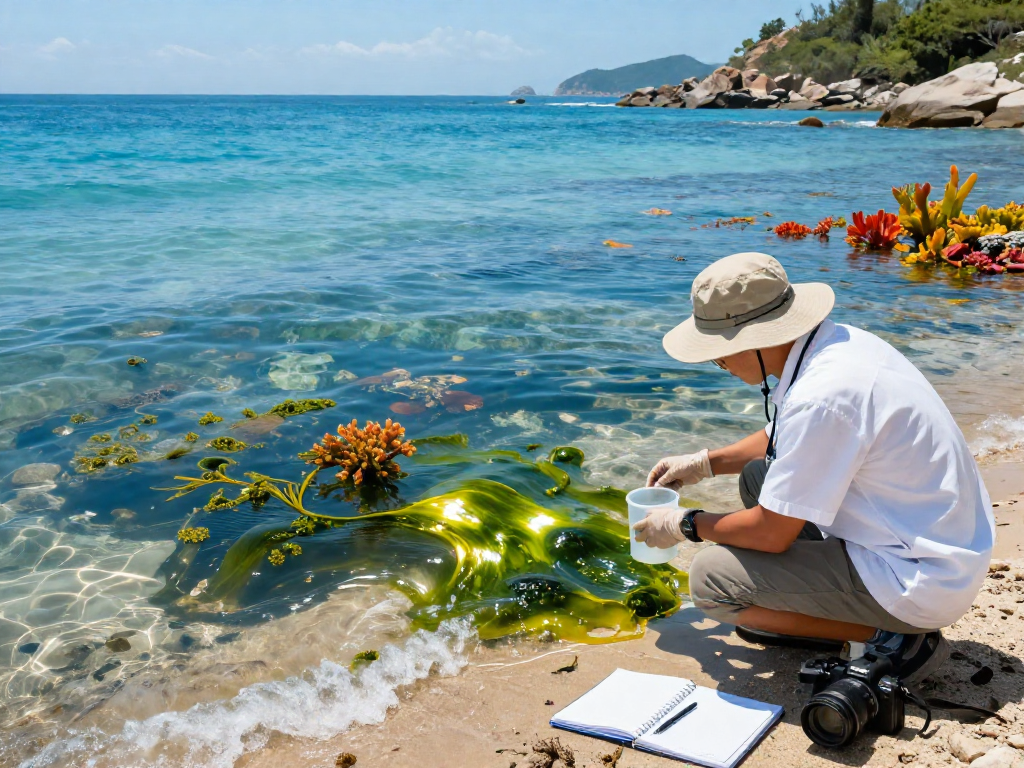
Astaxanthin is a powerful carotenoid pigment primarily found in microalgae, certain seafood, and even in some birds. Known for its vibrant red color, it plays a significant role not only in the ecology of marine life but also has garnered attention for its health benefits, particularly related to the immune system. As an antioxidant, astaxanthin's ability to combat oxidative stress is one of its most crucial features, making it a popular supplement for those looking to bolster their immune defenses. The interest in this compound has surged, particularly focusing on how it promotes astaxanthin for immune support.
How Astaxanthin Supports Immune Health
The immune system is our body’s defense mechanism against infections and diseases. Astaxanthin supports immune health by enhancing the function of immune cells, increasing the generation of cytokines, and modulating the inflammatory response. This carotenoid assists in reducing the incidence of common illnesses and may enhance recovery time from infections. Furthermore, its potential to improve the communication between immune cells ensures a well-coordinated immune response, making it an important dietary supplement for proactive immune health.
Sources of Astaxanthin
Astaxanthin can be found in various dietary sources. The most significant sources include:
- Microalgae: The primary source of natural astaxanthin is Haematococcus pluvialis, a type of green microalga.
- Seafood: Many seafood species like salmon, shrimp, and krill contain astaxanthin due to their diet of algae.
- Poultry: Farmed birds, particularly those that consume feed supplemented with astaxanthin, display higher levels of this nutrient in their tissues.
Additionally, astaxanthin is available in supplement form, making it easier to ensure adequate intake for those interested in its health benefits.
Mechanisms of Action: How Astaxanthin Boosts Immunity
Antioxidant Properties
Astaxanthin is renowned for its exceptional antioxidant capabilities. It is significantly more potent than other carotenoids like beta-carotene and lutein. This power stems from its unique chemical structure, which allows it to quench singlet oxygen and neutralize free radicals effectively. By protecting cells from oxidative damage, astaxanthin helps maintain the integrity and functionality of immune cells, ultimately supporting a more resilient immune system.
Anti-inflammatory Effects
Chronic inflammation is a well-known factor that undermines immune function. Astaxanthin can modulate inflammatory responses by inhibiting the production of pro-inflammatory cytokines. In doing so, it not only alleviates inflammation but also helps to balance the immune response, preventing overreactions that can lead to autoimmunity. Incorporating astaxanthin into one’s diet can thus support a healthy inflammatory response and enhance immune resilience.
Enhancing Cellular Function
Astaxanthin's role in cellular function is multi-faceted. It promotes cellular membrane integrity, improving nutrient uptake while concurrent reducing cellular stress. By enhancing mitochondrial function, astaxanthin contributes to maximizing energy production in immune cells, allowing them to respond more effectively to pathogens. This enhanced energy efficiency is crucial for maintaining robust immunity.
Dosage and Supplementation of Astaxanthin for Immune Support
Recommended Daily Intake
The optimal dosage of astaxanthin for general immune support generally ranges from 4 to 12 mg per day. Individual needs may vary based on factors such as age, health status, and lifestyle. It is advisable to consult with a healthcare provider to determine the most suitable dosage for personal needs. Achieving the right balance is essential for maximizing benefits while minimizing potential drawbacks.
Choosing the Right Supplement
When selecting an astaxanthin supplement, there are a few factors to consider:
- Source: Look for products derived from Haematococcus pluvialis as it contains the highest levels of astaxanthin.
- Form: Astaxanthin is available in both oil-based and water-soluble forms, with oil-based forms potentially offering better absorption.
- Purity and Quality: Choose reputable brands that provide third-party testing results to ensure the product’s safety and efficacy.
Potential Side Effects and Precautions
While astaxanthin is generally recognized as safe, some individuals may experience mild side effects, including stomach upset or discoloration of urine or feces. It is crucial to adhere to recommended dosages and consult with a healthcare provider, especially during pregnancy, nursing, or if taking other medications, to avoid interactions.
Integrating Astaxanthin into Your Diet
Recipes Featuring Astaxanthin
Incorporating astaxanthin-rich foods and supplements into daily meals can be deliciously easy. Here are a few recipe ideas:
- Astaxanthin-Rich Smoothie: Blend frozen strawberries, spinach, a teaspoon of astaxanthin powder, and almond milk for a nutrient-packed drink.
- Grilled Salmon with Spice Rub: Marinate salmon in olive oil, lemon juice, and a blend of spices; grill until cooked.
- Seafood Paella: Incorporate shrimp and red bell peppers for color while also serving astaxanthin-rich saffron rice.
Daily Meal Plans for Optimal Immune Support
A simple daily meal plan may resemble the following:
- Breakfast: Greek yogurt with berries and a sprinkle of astaxanthin powder.
- Lunch: Spinach salad with grilled salmon and a vinaigrette dressing.
- Dinner: Stir-fried shrimp with vegetables served over brown rice.
Complementary Nutrients that Enhance Astaxanthin Effectiveness
Certain nutrients can complement astaxanthin’s immune-boosting properties:
- Vitamin C: Synergizes with astaxanthin to bolster antioxidant defenses.
- Zinc: A vital mineral that supports immune function and pairs well with astaxanthin.
- Omega-3 Fatty Acids: Enhances the anti-inflammatory effects of astaxanthin when consumed together.
FAQs About Astaxanthin for Immune Support
What foods are high in astaxanthin?
Foods rich in astaxanthin include salmon, trout, shrimp, lobster, and algae like Haematococcus pluvialis.
Can astaxanthin be taken with other supplements?
Yes, astaxanthin generally pairs well with vitamins C and E, zinc, and other antioxidants without adverse interactions.
How long does it take to see benefits from astaxanthin?
Benefits can typically be observed within a few weeks of consistent consumption, depending on dietary habits and health conditions.
Is astaxanthin safe for everyone?
Astaxanthin is safe for most people, but pregnant or nursing women and those with certain health conditions should consult a healthcare provider.
What does the research say about astaxanthin and immune health?
Research indicates that astaxanthin enhances immune response, reduces inflammation, and improves overall cellular health, thus supporting immune function.