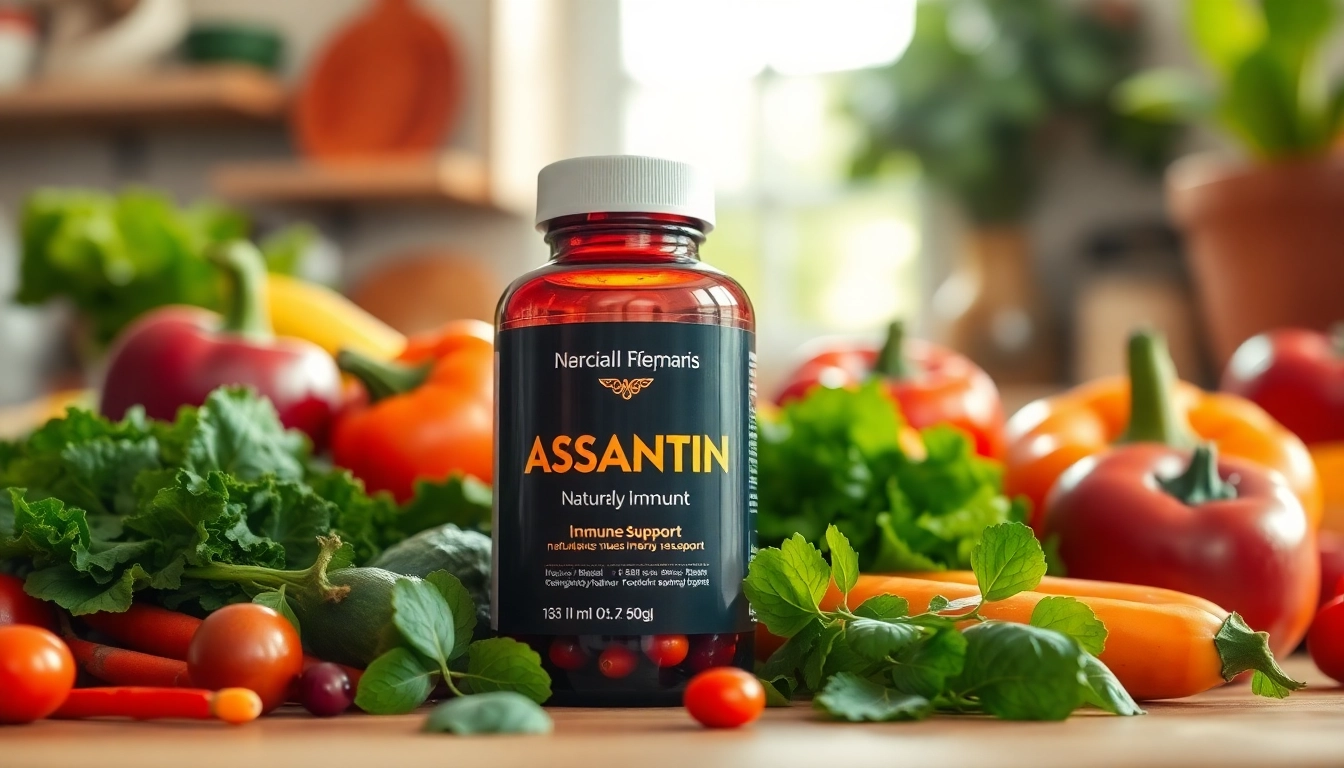
Understanding Astaxanthin for Immune Support
Astaxanthin, a potent carotenoid known for its vivid reddish-orange hue, has emerged as a significant player in the realm of health and wellness, particularly regarding astaxanthin for immune support. This natural pigment is predominantly found in algae and seafood, making it a vital dietary component for many. Its crucial role in promoting immune health has garnered attention in various scientific circles, leading to an increased interest in how it functions within our bodies.
What is Astaxanthin?
Astaxanthin is a carotenoid, a type of antioxidant that provides the pink or red color to certain marine species such as shrimp, salmon, and flamingos. Unlike other antioxidants, astaxanthin stands out due to its unique chemical structure, which allows it to protect cells from oxidative damage more effectively. This ability to scavenge free radicals is essential in preventing inflammation and bolstering the immune response. Historically, astaxanthin has been utilized not only in nutritional applications but also in areas such as cosmetics, showcasing its versatility.
The Role of Astaxanthin in Immune Function
Astaxanthin plays a pivotal role in enhancing immune function by modulating various immune pathways. Research suggests that it can stimulate the production of antibody-secreting cells and promote the activity of natural killer (NK) cells, which are vital in the body’s defense against pathogens. Additionally, astaxanthin enhances the function of T-cells, crucial in orchestrating the immune response. This multifaceted influence on immune health underlines the significance of incorporating astaxanthin into one's diet, especially for individuals looking to fortify their immune defenses.
Health Benefits Beyond Immunity
While its immune-boosting capabilities are noteworthy, astaxanthin offers several additional health benefits. It has been linked to improved skin health, enhanced eye function, and reductions in muscle fatigue and pain following exercise. Furthermore, astaxanthin's potent anti-inflammatory properties can contribute to overall cardiovascular health. This broad spectrum of benefits makes astaxanthin a valuable addition to any wellness regimen, appealing to those seeking holistic health solutions.
Sources of Astaxanthin
Naturally Occurring Sources
Natural sources of astaxanthin predominantly include microalgae, particularly *Haematococcus pluvialis*, where the concentration of this carotenoid is the highest. Other food sources rich in astaxanthin are salmon, trout, shrimp, and crab. The consumption of these foods not only provides astaxanthin but also offers essential nutrients that complement its benefits. Incorporating a variety of these sources can help individuals maximize their intake of this powerful antioxidant.
Synthetic vs Natural Astaxanthin
Astaxanthin can be sourced either synthetically or naturally. While synthetic astaxanthin is commonly used in aquaculture and cosmetics, it is essential to acknowledge that natural astaxanthin, derived from microalgae or seafood, tends to be more effective due to its complex bioactive compounds. The preference for natural astaxanthin can make a significant difference in health outcomes, reinforcing the importance of choosing quality over cost in dietary supplements.
Choosing Quality Astaxanthin Supplements
When selecting astaxanthin supplements, quality should be the primary consideration. Look for products that specify the source of astaxanthin, preferably from *Haematococcus pluvialis*. Additionally, checking for third-party testing and certifications can ensure that the product meets safety and efficacy standards. The dosage should also be considered, with a recommendation ranging from 4 to 12 mg per day, depending on individual health needs. Reading reviews and consulting healthcare professionals can further assist in making informed choices.
How Astaxanthin Works for Immune Health
Mechanisms of Action
The immune-enhancing properties of astaxanthin can be attributed to several intricate mechanisms of action. As an antioxidant, it combats oxidative stress, which can weaken immune response. By protecting immune cells from damage, astaxanthin enhances their viability and function. It further influences the expressions of various genes involved in the inflammatory response, promoting a balanced immune function without overstimulation that can lead to autoimmune reactions.
Research Studies and Findings
Numerous studies have demonstrated the effectiveness of astaxanthin in supporting immune health. One noteworthy study revealed that astaxanthin supplementation significantly increased the proliferation of NK cells in healthy adults. Another research highlighted its impact on improving antibody responses following vaccination, showcasing its potential to enhance immunity. Such findings underscore the necessity of further research to explore the full extent of astaxanthin's benefits on immune health and overall well-being.
Recommended Dosage for Optimal Benefits
For optimal immune support, a daily dosage of astaxanthin between 4 to 12 mg is generally recommended. Factors such as age, health status, and specific health goals should inform individual dosage. Consulting a healthcare provider can help tailor the dosage to meet unique health needs, ensuring effective integration of astaxanthin into a healthy lifestyle.
Integrating Astaxanthin into Your Diet
Recipes Rich in Astaxanthin
Incorporating natural sources of astaxanthin into your diet can be both delicious and nutritious. Here are some recipe ideas:
- Salmon Salad: Grilled salmon with mixed greens, avocado, and a citrus vinaigrette.
- Shrimp Stir-Fry: Sautéed shrimp with colorful vegetables and quinoa in a garlic-ginger sauce.
- Algae Smoothie: A smoothie made with spinach, banana, and a serving of spirulina for added astaxanthin benefits.
These recipes not only incorporate astaxanthin but also provide a flavorful way to enhance overall dietary quality.
Supplementation Tips
When opting for astaxanthin supplements, take them with a meal to enhance absorption, as they are fat-soluble. It’s also beneficial to combine astaxanthin with other antioxidants to achieve a synergistic effect for better health outcomes. Maintaining consistency in supplementation and monitoring how your body responds can maximize the benefits of astaxanthin.
Avoiding Common Pitfalls
While astaxanthin is safe for most people, some may experience mild side effects, such as discoloration of the stool or a change in skin tone with high doses. It is crucial to adhere to recommended dosages and consult with a healthcare professional if any adverse effects occur. Additionally, relying solely on supplements instead of maintaining a balanced diet can hinder potential benefits, emphasizing the importance of a holistic approach to health.
FAQs About Astaxanthin and Immune Support
Can astaxanthin replace vaccines for immunity?
No, astaxanthin cannot replace vaccines. It may support immune health, but vaccines are critical for protection against specific diseases.
Is astaxanthin safe for everyone?
Generally, astaxanthin is safe for most individuals. However, pregnant or breastfeeding women and those on certain medications should consult a healthcare provider.
How long does it take to see immune benefits?
Individuals may notice immune benefits from astaxanthin within a few weeks of regular supplementation, but responses can vary.
Are there any side effects of astaxanthin?
Astaxanthin is well-tolerated, but some may experience mild side effects, including changes in skin pigmentation or digestive discomfort.
Can I boost my immune system without supplements?
Yes, a balanced diet rich in fruits, vegetables, and whole foods, along with regular exercise and adequate sleep, can significantly boost your immune system.