Overview of the Everest Base Camp Trek
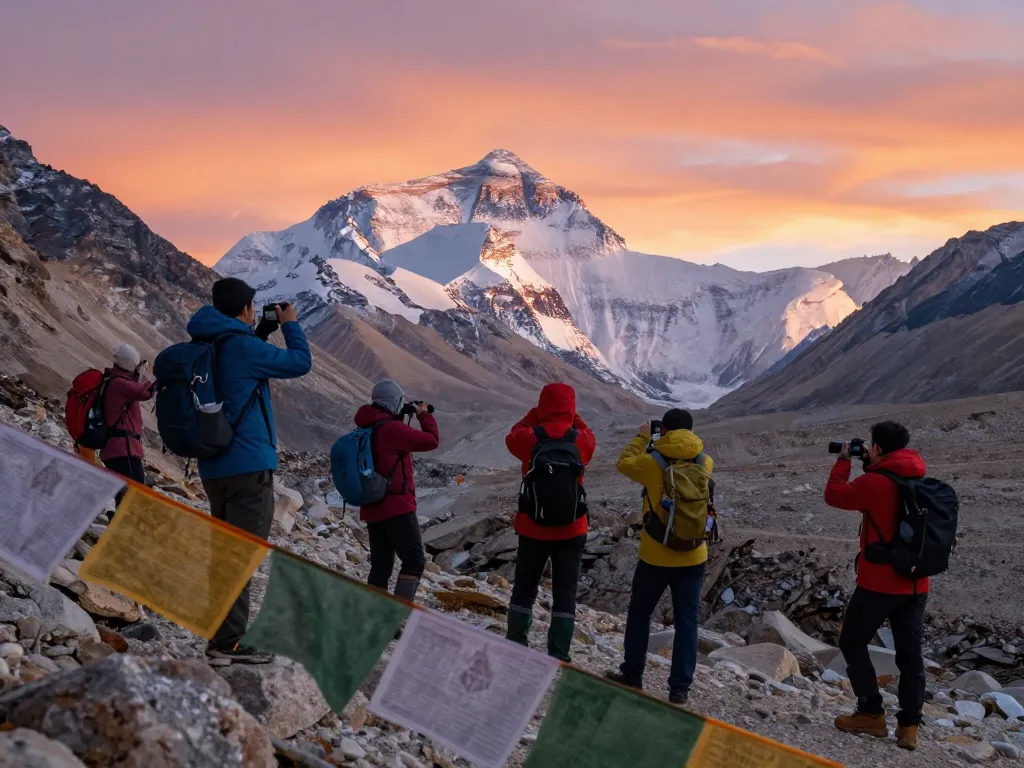
The Everest Base Camp (EBC) Trek is renowned as one of the most iconic trekking experiences in the world. Spanning approximately 14 days, this trek offers adventurers a once-in-a-lifetime opportunity to immerse themselves in the breathtaking landscapes of the Khumbu region, encounter the rich culture of the Sherpa people, and ultimately stand at the base of the highest mountain on Earth, Mount Everest, at an elevation of 5,364 meters (17,598 feet). Whether you are a seasoned trekker or a novice adventurer, the EBC trek is designed to cater to a variety of fitness levels and provides multiple acclimatization opportunities to ensure that trekkers are well-prepared for the altitude. For a comprehensive overview of the trek, you can explore Everest Base Camp details on Ace the Himalaya.
What to Expect During the Trek
Expect an unforgettable journey through striking mountain scenery, charming villages, and the warm hospitality of the local Sherpa community. The trek unfolds along well-marked trails, with daily hikes ranging from 5 to 8 hours. Each day presents unique challenges and rewards, from navigating rugged terrain to marveling at panoramic views of towering peaks, including Lhotse, Nuptse, and Ama Dablam. The trek also allows ample time for exploration, cultural immersion, and acclimatization, making it an enriching experience beyond just physical exertion.
Physical Fitness Requirements
While the EBC trek does not require technical climbing skills, a good level of physical fitness is essential. Trekkers should engage in cardiovascular exercises, strength training, and practice hiking with a loaded backpack several weeks prior to embarking on the trek. Aiming for at least 5-7 hours of walking on varied terrain can significantly enhance your stamina and endurance. It is important to listen to your body and adopt a gradual ascent strategy to minimize the risks associated with altitude sickness.
Short Itinerary for the 14-Day Trek
Day-by-Day Breakdown
The EBC Trek follows a well-structured itinerary designed to maximize your experience while ensuring adequate time for acclimatization. Here’s a brief breakdown of the trek:
- Day 1: Arrival at Tribhuvan International Airport in Kathmandu and transfer to hotel.
- Day 2: Fly to Lukla from Kathmandu and trek to Phakding.
- Day 3: Trek to Namche Bazaar.
- Day 4: Acclimatization Day at Namche including a hike to Hotel Everest View.
- Day 5: Trek to Tengboche.
- Day 6: Trek to Dingboche.
- Day 7: Acclimatization Day with a hike to Nangkartsang Peak.
- Day 8: Trek to Lobuche.
- Day 9: Trek to Everest Base Camp and back to Gorak Shep.
- Day 10: Sunrise hike to Kala Patthar and descend to Pheriche.
- Day 11: Trek to Namche Bazaar.
- Day 12: Trek to Lukla.
- Day 13: Fly back to Kathmandu.
- Day 14: Transfer to the International Airport for departure.
Key Highlights of Each Day
Each day of the trek is filled with unique experiences and sights. For instance, the acclimatization day in Namche not only helps adjust to the altitude but also provides opportunities to explore the vibrant marketplace and engage with local culture. The iconic Tengboche Monastery, set against a stunning backdrop of the Himalayas, is a major highlight, along with the spectacular views from Kala Patthar at sunrise.
Acclimatization Days Explained
Proper acclimatization is crucial for a safe trekking experience, especially at high altitudes. The planned acclimatization days, particularly in Namche and Dingboche, are strategically placed to allow your body to adjust to lower oxygen levels, significantly decreasing the risk of altitude sickness. During these days, trekkers are urged to take short hikes to higher altitudes, stimulating red blood cell production and improving overall endurance.
Understanding Costs and Inclusions
Breakdown of Trekking Costs in 2026
The cost of trekking to Everest Base Camp varies depending on the services and experiences included in the package. In 2026, prices are expected to range from USD 1,600 to USD 2,000 per person, depending on the size of the group and the specific itinerary. Always review what each package includes, as some may offer additional amenities such as luxury accommodation or specialized training courses.
What’s Included in Your Trek Package
- Accommodation in Kathmandu and during the trek.
- All necessary trekking permits.
- Experienced local guides and porters.
- All meals during the trek.
- Domestic flights between Kathmandu and Lukla.
- Transportation of your gear by qualified porters.
Additional Expenses to Consider
While the trekking package covers a significant amount of your costs, trekkers should budget for additional expenses such as snacks, beverages, hot showers, tips for the guides and porters, and any personal shopping or souvenirs. It is advisable to set aside an additional USD 100 to 150 for these potential extras.
Travel Tips for Everest Base Camp Trek
Best Time to Trek Everest Base Camp
The optimal times to embark on the EBC trek are in the spring (March to May) and autumn (September to November). During these seasons, the weather is relatively stable, and trekkers can enjoy clear skies and stunning mountain vistas. Nonetheless, it’s always advisable to prepare for variable weather conditions, regardless of the time of year.
Health and Safety Considerations
Your health and safety should always be a priority. Ensure you are well-hydrated, maintain a balanced diet, and pay attention to your body’s signals. Consult your doctor about potential vaccinations and necessary medications for altitude sickness. It’s advisable to invest in comprehensive travel insurance that covers trekking activities as well.
Tips for First-Time Trekkers
First-time trekkers are encouraged to undertake physical training well in advance. Consider participating in local hikes, joining boot camps, or engaging in cardio-focused workouts. Additionally, familiarize yourself with high-altitude trekking protocols, ensuring a smoother and more enjoyable experience.
Frequently Asked Questions
What is the altitude of Everest Base Camp?
Everest Base Camp is situated at an elevation of 5,364 meters (17,598 feet). The trek provides a unique opportunity to experience the challenges and beauty of high-altitude trekking.
How can I prepare physically for the trek?
A robust preparation plan should include cardiovascular exercises, strength training, and hiking to build your stamina and endurance. Start training at least 8 weeks before your trek.
Do I need a guide for the Everest Base Camp trek?
While some experienced trekkers opt to go solo, hiring a guide is highly recommended. Guides offer valuable insights into the terrain, local culture, and ensure safety throughout the trek.
What kind of food is available during the trek?
The trek offers a mix of local and international cuisine, with vegetarian options widely available. Meals typically include hearty dishes such as dal bhat, pasta, soups, and more, designed to fuel you for your trekking days.
What should I do in case of altitude sickness?
Altitude sickness can be a serious concern; recognizing the symptoms early is essential. If you experience symptoms, descend to a lower elevation and seek medical attention if necessary. Acclimatization days are crucial to help prevent altitude sickness.