
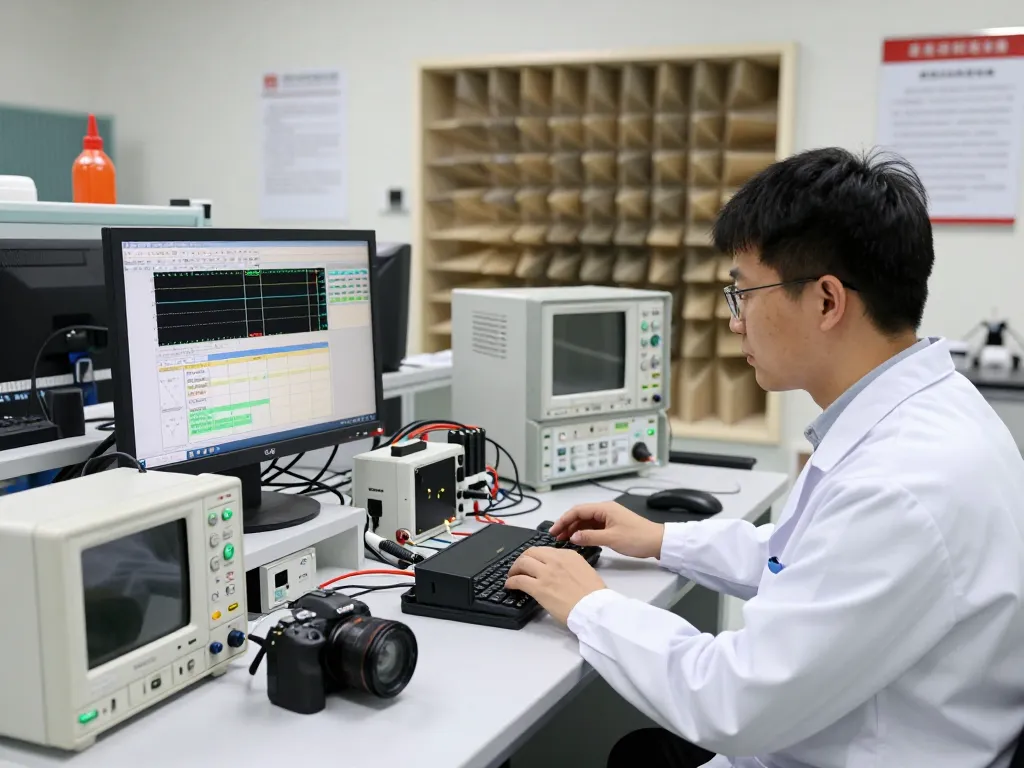
Understanding EMC Testing and Its Importance
Electromagnetic Compatibility (EMC) testing is a crucial aspect of product development, particularly in today’s technology-driven world. As electronic devices proliferate and integrate into every facet of life—from telecommunications to automotive applications—the need for reliable EMC testing grows ever more pronounced. Failure to comply with EMC regulations can lead not only to significant financial losses but also to safety issues and compromised product performance. Therefore, understanding the fundamentals of EMC testing and its importance is paramount for manufacturers aiming to launch compliant and competitive products.
When exploring options, EMC Testing provides comprehensive insights into the regulatory landscape, offering guidance on how your devices can meet international standards and succeed in the global market.
What is EMC Testing?
EMC testing evaluates how electronic devices function in their intended electromagnetic environment without causing or experiencing unacceptable electromagnetic interference (EMI). This testing is essential to ensure that products can operate correctly without disrupting other devices and can withstand interference from external sources. There are two primary components of EMC testing: emissions testing and immunity testing.
Key Benefits of EMC Compliance
- Market Access: Compliance with EMC standards is often a prerequisite for market entry in various regions, including North America and Europe.
- Enhanced Product Reliability: EMC testing helps identify potential problems that could affect product performance, ensuring greater reliability.
- Safety Assurance: Proper testing can prevent product malfunctions that could lead to safety hazards.
- Improved Customer Trust: Products that meet EMC standards are more likely to gain consumer confidence, which in turn aids brand reputation.
Common Myths About EMC Testing
Many misconceptions about EMC testing exist, which can hinder manufacturers from understanding its true value. For instance, some believe that EMC testing is only necessary for complex or high-tech devices, while in reality, even basic consumer electronics require compliance to EMC standards. Another common myth is that passing EMC tests is straightforward; however, achieving compliance often involves iterative testing and design adjustments.
Types of EMC Testing Services
Conducted Emissions and Immunity Testing
Conducted emissions testing measures the electromagnetic noise produced by a device that can interfere with other devices. This type of testing is critical as it helps to ensure that products do not emit excessive noise through power lines. On the other hand, conducted immunity testing assesses how well a device can withstand external electromagnetic interference, ensuring it remains functional in various environments.
Radiated Emissions and Immunity Testing
Radiated emissions testing evaluates the electromagnetic energy radiated from a device, typically in the form of radio waves. This is particularly relevant for wireless devices, where excessive emissions can disrupt other communication systems. Radiated immunity testing, conversely, examines how well a device can operate in the presence of external electromagnetic fields, which is essential for ensuring reliability in real-world scenarios.
Automotive EMC Testing Standards
The automotive industry has unique EMC testing standards, given the complexity of modern vehicles. Tests such as ECE Regulation 10 (R10) and ISO 16750 are critical for ensuring that electronic components can withstand the harsh environments of vehicles while maintaining performance and safety. High-frequency disturbances from other electronic devices in a vehicle can lead to significant operational issues if not properly managed through rigorous testing.
The EMC Testing Process Explained
Initial Consultation and Product Assessment
The EMC testing process begins with an initial consultation, where engineers assess the product’s specifications, intended use, and relevant regulatory requirements. This assessment helps in tailoring the testing strategy to meet specific compliance goals effectively, ensuring that manufacturers are fully prepared for the upcoming tests.
Conducting Comprehensive EMC Tests
Once the assessment is complete, comprehensive EMC tests are conducted. This stage often involves both emissions and immunity testing, depending on the product type. Engineers perform multiple tests to account for various operating conditions and usage scenarios, which helps in identifying potential areas of non-compliance.
Analyzing Results and Preparing Reports
Upon completion of the tests, the results are meticulously analyzed. Engineers compile the findings into detailed reports that outline compliance levels, identify issues, and suggest design modifications if necessary. This analysis not only aids in compliance but also optimizes product performance in real-world applications.
Best Practices for Achieving EMC Compliance
Design Considerations for Electromagnetic Compatibility
Design plays a critical role in achieving EMC compliance. Manufacturers should adopt best practices such as proper grounding techniques, shielding sensitive components, and utilizing filters that can effectively mitigate emissions. Early consideration of EMC during the design phase can significantly enhance the odds of passing compliance testing.
Effective Strategies for Testing Preparation
Preparation for EMC testing involves thorough pre-compliance activities. This might include simulations, preliminary testing, and even design reviews to catch issues before they arise during formal testing phases. Collaborating with experienced EMC consultants can greatly streamline this process.
Common Challenges and Solutions in EMC Testing
Challenges in EMC testing often stem from rapid technological advances and increasing regulatory demands. Solutions could include investing in advanced EMI suppression technologies or regular training for engineering teams to stay updated with testing methodologies. Additionally, a well-defined testing schedule can help manage project timelines effectively.
Future Trends in EMC Testing for 2026 and Beyond
Emerging Technologies Impacting EMC Standards
As technology evolves, so do the standards governing EMC testing. For instance, the rise of interconnected devices in the Internet of Things (IoT) requires new testing methodologies to address the unique challenges posed by wireless communication and device density in environments.
Incorporating AI and Automation in Testing
AI and automation are beginning to play significant roles in EMC testing processes. Automated testing systems can expedite testing procedures while AI-driven analytics can provide deeper insights into performance data, identifying trends and predicting potential issues before they arise.
Global Regulatory Changes and Their Implications
Regulatory landscapes are continuously changing, and staying informed about upcoming shifts is critical for manufacturers. Companies must adapt quickly to new regulations to ensure compliance and maintain a competitive edge. This may involve regular consultations with EMC testing labs to ensure products meet evolving requirements.
What is the duration of an EMC test?
The duration of an EMC test can vary significantly based on several factors, including the complexity of the device and the specific standards that need to be met. Generally, testing can take anywhere from a few days to several weeks, depending on the pre-compliance preparation and the number of tests required.
How can products achieve EMC compliance faster?
Faster compliance can often be achieved through early planning and design integration of EMC principles. Conducting regular pre-compliance tests and working closely with experienced EMC testing providers also helps streamline the certification process.
What industries require strict EMC testing?
Industries such as telecommunications, medical devices, automotive, and lighting are subject to strict EMC testing requirements due to the critical nature of their products. Ensuring devices meet compliance is essential to maintain safety and functionality in these sectors.
What are common EMC testing standards?
Common standards for EMC testing encompass a range of regulations, including FCC, ISED, CE, and ETSI for general electronics, while automotive testing may refer to ECE Regulation 10, ISO 16750, and CISPR standards. Each of these ensures that products meet specific emission levels and immunity thresholds.
How to select an EMC testing laboratory?
Selecting an appropriate EMC testing laboratory requires careful consideration of factors such as accreditation (e.g., ISO 17025), experience in your specific industry, available testing services, and reputation in the field. A laboratory with a proven track record can provide valuable insights and assistance throughout the compliance process.