Understanding the 3D Pergola Configurator
In the ever-evolving landscape of outdoor design, the 3D Pergola Configurator stands out as a transformative tool for both businesses and consumers. Gone are the days when potential buyers could only visualize their dream structures through static images or vague descriptions. Today, 3D configurators allow users to engage interactively with product designs in real-time, leading to increased customer satisfaction and streamlined sales processes. This article delves deep into the essence of these configures and how they are redefining the outdoor living space.
What is a 3D Pergola Configurator?
A 3D Pergola Configurator is an advanced software tool that enables customers and sales teams to design and visualize pergolas in three dimensions. Users can manipulate various elements such as size, roofing styles, colors, and accessories to create a personalized pergola that meets their specific needs. This level of customization not only enhances user experience but also facilitates better communication between sales representatives and clients.
Benefits of Using a 3D Configurator in Sales
Utilizing a 3D configurator offers numerous advantages for businesses involved in outdoor design and constructions, including:
- Enhanced Customer Engagement: Interactivity increases customer involvement, making them feel invested in the design process.
- Faster Decision Making: With immediate visual feedback, customers can make quicker choices regarding styles and specifications.
- Reduced Miscommunication: 3D visuals help clarify expectations, reducing the chances of misunderstandings during the planning and installation phases.
- Increased Sales Efficiency: Sales teams can generate quotes and plans more quickly, leading to faster sales cycles and higher conversion rates.
How 3D Configuration Enhances Customer Engagement
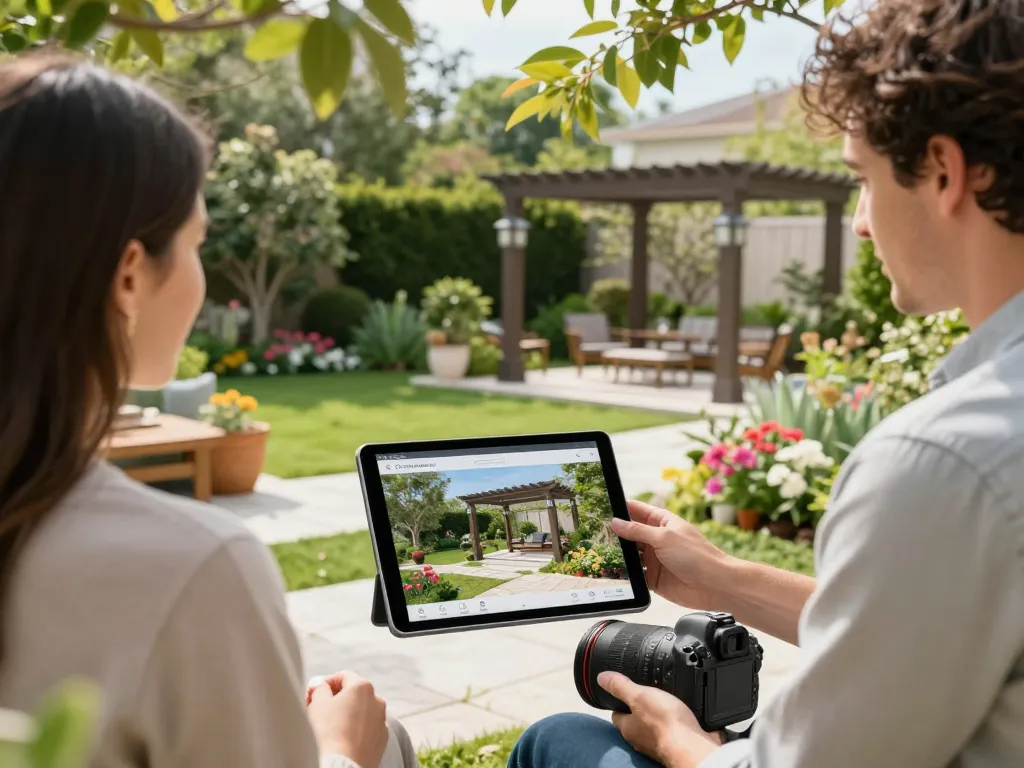
Customer engagement is amplified through real-time interactions. The ability to see a design come to life on a screen allows clients to provide instant feedback, making the process collaborative rather than transactional. By presenting detailed visuals, including dimensions, colors, and materials, customers can visualize the final product before committing to a purchase.
Key Features of Effective Configurators
Real-Time Visualization and Interaction
Effective 3D configurators feature real-time visualization capabilities, allowing users to see changes as they are made. This immediate feedback loop fosters creativity and empowers customers to experiment with different configurations, such as altering the roofing type or adjusting dimensions to fit their space better. The more interactive the configurator, the greater the likelihood of a positive customer experience.
Instant Pricing and Quoting Functionality
Another significant feature is the ability to generate instant pricing and quotes. As users make adjustments to their designs, the configurator automatically updates the cost, providing transparency and aiding in budget discussions. This function also allows for the generation of professional-looking quotes and proposals, reinforcing the credibility of the business.
Integration with CRM and Project Management Tools
Effective configurators should integrate seamlessly with Customer Relationship Management (CRM) systems and project management tools. This integration ensures that all customer interactions, quotes, and project progress are tracked within a single platform, streamlining workflows and enhancing efficiency.
Implementing the Configurator in Your Sales Process
Steps to Integrate 3D Configurators in Your Business
Integrating a 3D configurator into your sales process requires careful planning. Here are key steps to consider:
- Assess Your Needs: Understand the specific requirements of your sales team and customers to select a suitable configurator.
- Choose the Right Software: Look for a configurator that meets your technical specifications and offers user-friendly interfaces.
- Train Your Team: Conduct training sessions to ensure your sales team is proficient in using the new tool.
- Gather Feedback: After implementation, solicit feedback from both employees and customers to continue improving the configurator experience.
Training Your Team on the New Tools
The success of any new technology hinges on proper training. Ensure your team understands not just how to use the configurator but also how to leverage it to enhance customer relationships. Regular training updates can keep your team informed about new features and best practices.
Monitoring Customer Feedback and Adjusting Strategies
As customers interact with the configurator, their feedback will provide invaluable insights. Use this information to refine both the configurator experience and your overall sales strategy. Adjusting your approach based on customer needs can significantly improve satisfaction and retention rates.
Overcoming Common Challenges with 3D Configurators
Addressing Technical Issues and Support
While 3D configurators bring many advantages, they can also present technical challenges. It’s vital to have a dedicated support team in place to address issues promptly. Whether it’s software glitches or user errors, quick resolution of problems is essential for maintaining customer trust and satisfaction.
Managing Customer Expectations During Custom Configurations
In a world where customization is king, managing customer expectations is crucial. Ensure clients understand what is achievable within their specifications and the timeline for delivery. Clear communication will help mitigate any potential disappointment that arises from unrealistic expectations.
Common Misconceptions about 3D Configuration Tools
Some common misconceptions can hinder the adoption of 3D configurators. It’s crucial to clarify these misunderstandings, such as the notion that these tools are solely for large corporations or that they are too complicated to use. Highlighting the scalability and ease of use will encourage broader adoption among smaller businesses as well.
The Future of 3D Configurators in Outdoor Design
Emerging Trends for 2026 and Beyond
As we look towards 2026 and beyond, several emerging trends in 3D configurators are set to shape the landscape of outdoor design. Increased use of artificial intelligence (AI) for personalized recommendations, augmented reality (AR) features that allow for virtual installations, and enhanced mobile accessibility are just a few examples of how technology will continue to evolve.
How Augmented Reality is Shaping Customer Experiences
Augmented reality is transforming how customers interact with products before purchasing. By allowing users to visualize their pergolas in their actual outdoor spaces via AR, businesses can significantly enhance customer confidence and satisfaction. This immersive experience helps prospective buyers feel more connected to their purchase.
Predictions for 3D Technology in Landscaping and Architecture
Looking ahead, we can expect 3D technology to become increasingly integrated into landscaping and architectural practices. This integration will enable more precise project planning and execution, ultimately resulting in beautifully designed outdoor spaces that reflect the customers’ desires and needs.