
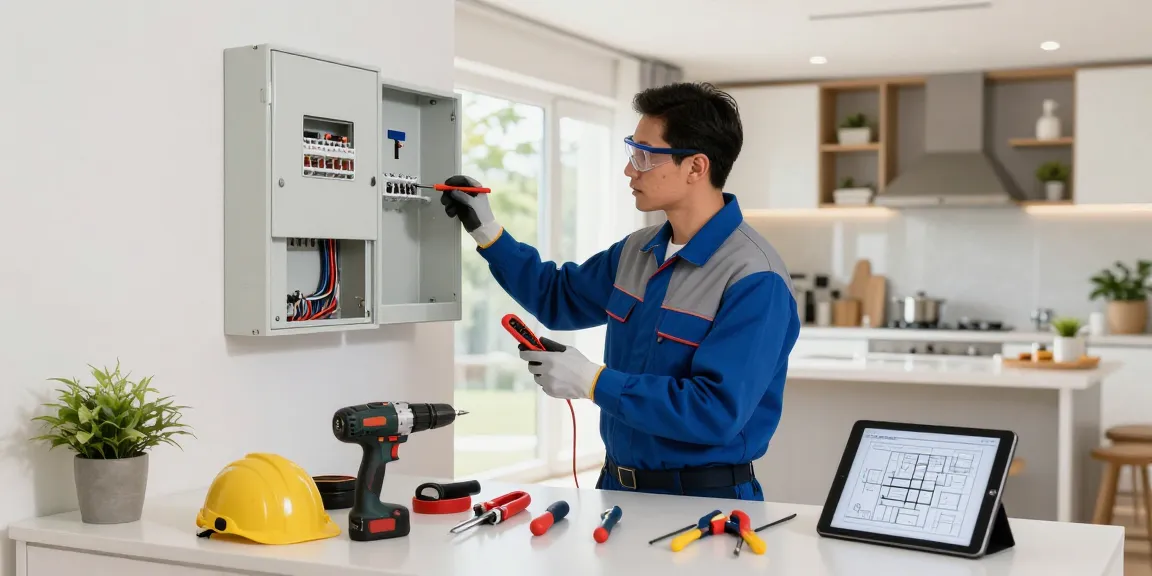
Understanding the Importance of Certification in Electrical Work
When it comes to electrical work in your home, ensuring safety and compliance with industry standards should be your top priority. One of the most effective ways to achieve this is by choosing a certified electrical professional. Certification not only guarantees that an electrician has undergone rigorous training, but it also reflects their commitment to adhering to industry best practices. This article will delve into the significance of certification, clarify common misconceptions about electricians, and help you understand how certified professionals contribute to your safety.
Why Certification Matters for Homeowners
For homeowners, hiring a certified electrician is more than a matter of personal preference; it’s a necessity. Certified electricians have demonstrated their competence through a series of examinations and training programs, which equip them with the knowledge to handle complex electrical systems safely. Furthermore, because they are licensed, they are often required to maintain insurance, which protects you as a homeowner in the event of accidents or subpar work.
Common Misconceptions About Electricians
One prevalent misconception is that all electricians are equally qualified, regardless of their certification status. This could not be further from the truth. While it’s tempting to hire the cheapest option or someone who does the work informally, unlicensed electricians may lack the necessary training and skills, leading to safety hazards. Another myth is that certification is not important for small jobs. In reality, even seemingly minor electrical tasks can pose significant risks if not performed correctly.
The Role of Certification in Ensuring Safety
The primary role of certification is to ensure safety. Approved certification programs cover various aspects of electrical work, including understanding electrical codes, circuit design, and the latest safety standards. Moreover, certified electricians are trained to identify potential hazards and take appropriate measures to mitigate risks, making your home a safer place. Regular updates to their training ensure that they remain knowledgeable about the latest technologies and safety protocols.
Identifying Qualified Electrical Professionals
Key Qualifications and Skills to Look For
When searching for an electrical professional, it’s essential to identify key qualifications that indicate their competence. Look for electricians who hold state licenses and certifications from recognized organizations. They should ideally have experience in the specific type of work you need—such as residential, commercial, or industrial electrical services. Additionally, strong problem-solving skills, attention to detail, and a commitment to ongoing education are vital attributes of a qualified electrician.
Verifying Certification and Licensing
Before hiring an electrician, always verify their certification and licensing. You can usually check these credentials through your state’s licensing board website. Ensure that the license is active and has not been subjected to disciplinary actions. A certified electrician should also provide proof of insurance, which protects you and them during work.
How to Check References and Previous Work
Don’t hesitate to ask for references or examples of previous work. A reputable electrician should readily provide testimonials from past clients or showcase a portfolio of their work. Contacting references can give you insight into their work ethic, professionalism, and quality of service. Positive feedback from previous clients is often an indicator of a reliable provider.
Evaluating Experience and Expertise
Assessing Industry Experience and Specializations
Experience is a critical factor when choosing an electrical professional. Ideally, you want someone who has been in the industry for several years and has handled projects similar to yours. Specializations also matter; for instance, if you’re interested in solar panel installation, look for electricians with credentials in renewable energy technologies.
Understanding Different Types of Electrical Certifications
Electrical certifications vary significantly based on the focus area. Common certifications include Journeyman, Master Electrician, and specialized qualifications in areas like residential wiring or high-voltage work. Each level of certification typically requires different amounts of education and experience, with Master Electricians often overseeing Journeyman Electricians and ensuring compliance with local codes.
Importance of Continual Learning and Training
The electrical field is constantly evolving, particularly with the introduction of new technologies and regulations. A good electrician prioritizes continual learning, attending workshops, and obtaining new certifications to stay updated. This commitment not only enhances their skills but also ensures that they can offer the best solutions to their clients.
Comparing Estimates and Services
What to Expect During an Initial Consultation
During your first consultation with an electrician, you should expect a detailed discussion about your project requirements. A professional electrician will assess your needs, review any existing issues, and offer recommendations based on their expertise. Be prepared to discuss your budget, timeline, and any specific concerns you may have about the project.
How to Analyze Estimates and Contracts
Once you receive estimates, take the time to analyze them carefully. Look for transparency in pricing, including labor, materials, and any potential additional costs. Compare estimates from multiple electricians to ensure you’re getting a fair deal. A contract should clearly outline the scope of work, timelines, payment schedules, and warranty information.
Understanding Warranty and Service Guarantees
Understanding warranty terms and service guarantees is crucial when hiring an electrician. Most reputable electricians will offer a warranty on their work, which typically covers the labor involved and any materials used. Ensure that these terms are included in your contract, as they reflect the electrician’s confidence in their workmanship.
Future Trends in Electrical Services for Homeowners
Emerging Technologies and Their Impact on Electrical Work
The electrical industry is witnessing rapid changes, particularly with emerging technologies like smart home systems and electric vehicle (EV) charging stations. These advancements require electricians to possess specific skills and certifications. Home automation, energy efficiency solutions, and sustainable energy options are becoming increasingly attractive to homeowners, making it essential for electricians to adapt accordingly.
Predicted Changes in Certification Requirements by 2026
As we approach 2026, we can expect more stringent certification requirements in the electrical industry. This could include additional training in safety practices and updates on the latest technologies. Regulatory bodies are continually assessing the need for enhanced standards to ensure consumer safety, which will affect how electricians are trained and certified in the future.
The Growing Importance of Eco-friendly Solutions
As environmental concerns continue to rise, homeowners are increasingly seeking eco-friendly electrical solutions. Certified electricians will need to stay informed about sustainable practices, such as solar energy installation and energy-efficient systems. Offering these services will not only meet consumer demand but also contribute positively to environmental conservation.
What are the best questions to ask a certified electrician?
When interviewing potential electricians, some key questions include:
- What is your experience with projects similar to mine?
- Can you provide references from past clients?
- What warranties and guarantees do you offer?
- Are you licensed and insured?
How can I ensure my electrical work is done safely?
To ensure safety, always hire a certified electrician and verify their credentials. Be involved in the planning process, understand the work being done, and ensure that all local codes and regulations are followed. Safety checks should be standard practice before, during, and after the project.
What should I check before hiring an electrical professional?
Before hiring an electrician, check their licenses, certifications, insurance, and references. Additionally, assess their communication skills and willingness to explain their work process, as these are vital for a successful partnership.
Are certified electricians more expensive than non-certified ones?
While certified electricians may charge more for their services than non-certified counterparts, the investment is usually justified. The higher rates often reflect their superior training, knowledge, and accountability.
What are the benefits of choosing certified electrical professionals?
Choosing certified electrical professionals ensures a higher standard of safety, quality workmanship, and adherence to regulations. Their expertise can help prevent costly mistakes and potential hazards that could arise from unqualified work.